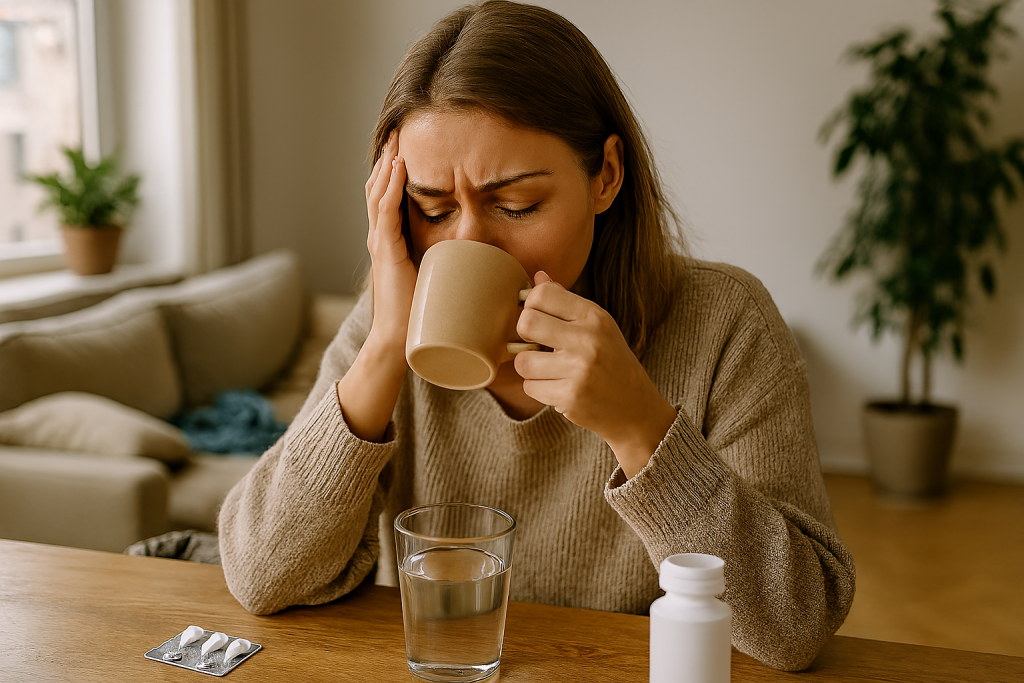
Coffee is a highly regarded drink in the world. Many people take a cup of coffee in the morning as a way of getting themselves to wake up. Coffee helps a lot of people to be more alert and energetic. Nevertheless, recent research indicates that coffee may not necessarily be useful and especially in cases when the person has been prescribed drugs that cure depression. Recent research has indicated that caffeine can interfere with the action of some depression drugs in the body. This does not mean that you must stop consuming coffee. Rather, you must be careful of its impact on your mood and treatment.
How Coffee Affects the Brain
Coffee is a stimulant as it contains high caffeine, which will make you feel more active and energetic. It prevents a brain chemical that makes one feel sleepy upon consumption of caffeine. This can be nice for yourself. However, an excess of caffeine will also cause one to be agitated, increase heart rate or fail to get sleep. Some individuals might be experiencing anxiety or mood fluctuations due to caffeine.
According to the new study, caffeine is also capable of altering the action of some of the depression medications. There are antidepressants that are dependent on the constant chemicals in the brain and caffeine may disrupt them. This may complicate the effect of the medication. Individuals who use a lot of coffee could have more side effects or they could think that they are not being treated effectively. This again will be body-dependent or medication-dependent and also based on the amount of caffeine you take.
Why Caffeine Intake Matters in Medication
When you are taking medication for depression, you find that your doctor normally takes time to select the appropriate medication and the appropriate dose. Even minor alterations in your everyday routine, such as sleep, stress, or caffeine consumption, can have a role to play in your mood. Coffee as such is not bad, but when combined with the treatment of depression, it may pose difficulties.
The study indicates that so much consumption of coffee may:
- Reduce the efficacy of antidepressants.
- Enhance nervousness or irritability.
- Make sleep problems worse.
- Change your mood at some time of the day.
The caffeine gives you a boost of energy, but after that, you get into a bad mood. Or you will find out that you do not take such strong medicine when you drink lots of coffee. These changes can even be baffling, especially when you have already been in a low and high mood emotionally. One of the good qualities of looking after your mental health is knowing how caffeine has impacted you as an individual.
Need to Stop Taking Coffee Altogether?
Although the study also raises potential issues, it does not indicate that you should quit drinking coffee. A good number of depressed individuals like coffee and do not take it seriously. What matters is balance. In case you are too jittery, sad, anxious, or cannot sleep after drinking coffee, it can be helpful to decrease the quantity or to distribute it all day.
Never rush to make such a decision, especially when it comes to coffee habits, unless you are willing to pay a price to change gradually so that your body can adapt to the change. And in case you take medicine, you can talk about your caffeine habit with a health care expert who can help you create your treatment plan. They will be able to assist you at the level that suits your mind and your body.
Alternatives to Cope with Anxiety and Depression
Medication is not the only option, although it is a significant component of treating depression. Self-help strategies, lifestyle changes, and personal development practices have been found to be of great benefit to many professionals, especially among athletes and celebrities. Such strategies do not substitute medical services, but act as a guide to overcoming performance anxiety, as well as help their mental health improve in a power-affirming manner.
Hence, self-help and personal development are key ways of coping with the state of anxiety that may result in depression. You must learn to cope with stress, build confidence, and better recognize your feelings.
The self-help methods can teach you how to:
- Relax your mind in advance of stressful conditions.
- Build inner confidence.
- Practice positive self-talk.
- Healthily deal with stress.
- Learn to have emotional triggers.
These abilities will complement any professional treatment you get for your recovery.
Besides self-help learning, certain lifestyle practices are actually better at elevating your mood and decreasing anxiety or depression symptoms. To start with, exercise will make your body produce chemicals that make you feel better. You do not have to work intensely. Even walking, stretching, or dancing can help. Sleep is also significant in mental health. A good night’s sleep helps your body heal, and your mind become refreshed and at peace. Lastly, taking balanced meals provides the nutrition to your brain to operate effectively.